 Flat Clearance East Ham — Sustainability & Recycling Commitment
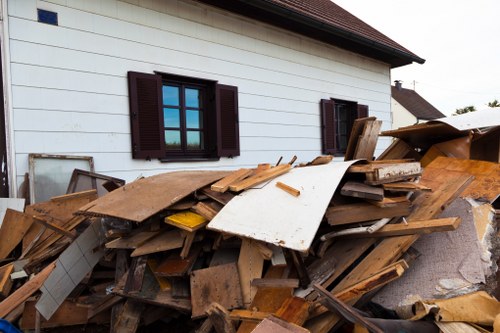
Flat Clearance East Ham is committed to creating an eco-friendly waste disposal area across every job we undertake. Our approach to flat removal and clearance in East Ham goes beyond simple rubbish collection: we prioritise re-use, responsible recycling and the minimisation of landfill. By combining local knowledge with sustainable practice we ensure that an East Ham flat clearance can be part of a circular economy that benefits neighbours and the wider borough.
 Our Recycling Percentage Target and Goals
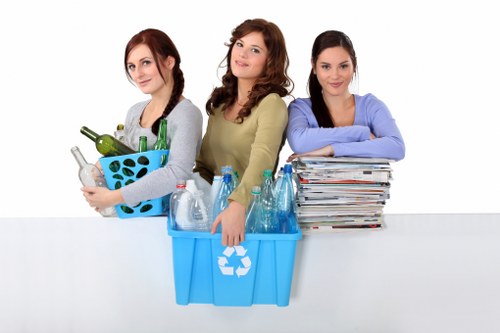
We have set a clear, measurable recycling percentage target: a minimum of 65% recycling and reuse of all recovered materials from flat clearances within the next two years, with a stretch target of 75% for bulky household items. This recycling target covers wood, metals, textiles, WEEE (electricals), and reusable furniture. Our targets are aligned with the borough approach to waste separation — encouraging residents to sort glass, paper, plastics and food waste at source to reduce contamination.
To meet that goal we work within the framework used by Newham and neighbouring boroughs, supporting separate streams for kerbside recyclable materials, food waste and residual waste, and ensuring that items collected from a flat clearance are processed in the correct stream rather than being mixed and lost to landfill.
 Local Transfer Stations and Efficient Logistics
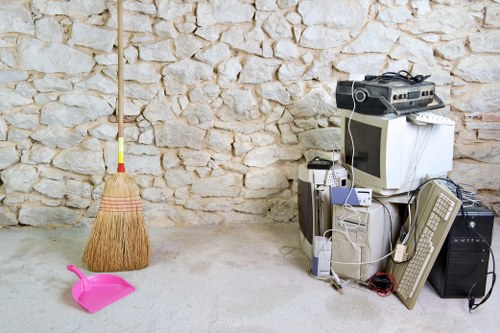
We route cleared materials through local transfer stations and permitted recycling hubs in East London and Newham, including Beckton-area transfer facilities and nearby municipal recycling centres that accept bulky wastes and WEEE. Using close-by transfer sites reduces vehicle mileage and handling, which lowers our overall carbon footprint and speeds up the recycling chain from collection to processing.
Key transfer points in our logistical network include municipal recycling hubs and licensed consolidation yards where materials are weighed, sorted and distributed to reprocessors. We prioritise facilities with high recovery rates to ensure that the maximum proportion of each load returns to productive use.
Our relationships with these stations are part of a broader commitment to a sustainable rubbish area across East Ham: consolidating loads, reducing double-handling and preferring local processors whenever possible.
We maintain active partnerships with charities and community organisations to maximise reuse. Lightweight and reusable furniture, working appliances and good-condition textiles are offered to local charities and social enterprises before any decision to recycle or dispose is made. These partnerships include local volunteer-led groups as well as national charity networks that accept furniture and appliances for redistribution.
When items cannot be reused directly, we channel them to accredited social enterprises that specialise in refurbishment and resale, giving goods a second life and supporting local employment. Our collaborative model reduces waste and strengthens the sustainable rubbish area by keeping items in circulation.
Flat clearance in East Ham is therefore designed as a service that supports local charities, provides donation streams and feeds community reuse projects — turning clearances into social and environmental value.
Fleet choices are essential to an eco-friendly waste disposal area. We operate low-carbon vans — a mix of electric, plug-in hybrid and Euro-6 efficient diesel vehicles — and continually invest in cleaner technologies. Route optimisation software reduces mileage and idling time, while scheduled consolidation runs ensure fewer journeys for bulky items.
Our drivers are trained in load segregation at the kerb so recyclable items are not contaminated before they reach transfer stations. This practice increases final recycling yields and supports the boroughs' separation rules by keeping glass, paper, plastics and organics distinct wherever possible.
The result is an East Ham flat clearance service that lowers emissions, boosts recycling percentages and helps create a truly sustainable rubbish area for neighbours and communal living spaces.
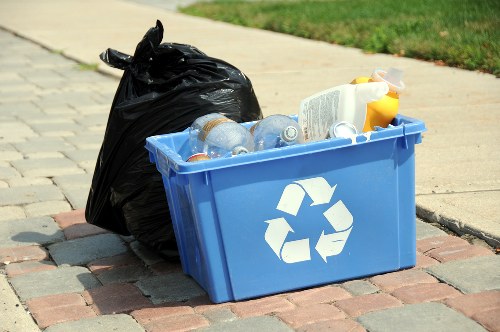 How we handle hazardous items and specialist waste streams is critical to public safety and the environment. Batteries, solvents, asbestos-containing materials and certain electronics are separated and routed to licensed facilities for safe processing. We never mix hazardous materials with general loads.
Our practical processes include clear labelling, documented chain-of-custody for sensitive wastes and cooperation with authorised WEEE and hazardous waste processors. This operational rigour protects the local environment and enhances the likelihood that recycling targets are met through correct destination management.
 In closing, Flat Clearance East Ham aims to set a local example: measurable recycling percentage targets, tight integration with local transfer stations, active partnerships with charities and a modern low-carbon van fleet. By choosing an eco-friendly flat clearance you are supporting a cleaner, more sustainable neighbourhood where reuse, repair and recycling replace unnecessary disposal.